Tarangire
BAOBABS AND
A river that holds water when everything around it has dried out, which in the dry season pulls in the densest elephant population in northern Tanzania — under some of the oldest baobabs on the continent.
- Largest elephant herds
- Ancient baobabs
- Quietest of the three
Private 4x4 Fleet
Guaranteed Window Seat
Local Expert Guides
Direct Operator Pricing
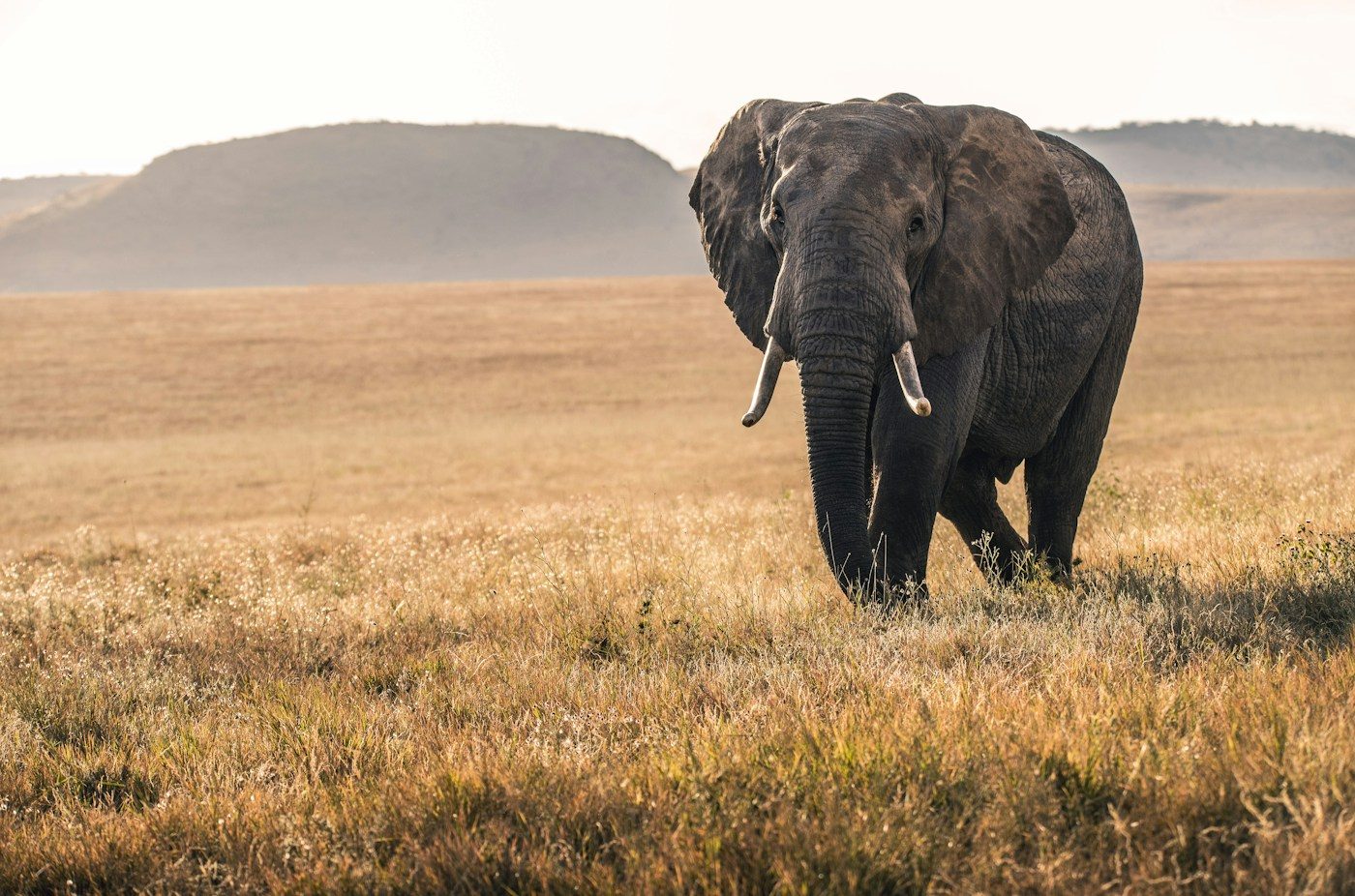
The underrated one
EVERYBODY SKIPS IT.
Tarangire sits an hour off the road between Arusha and the crater, and most itineraries drive straight past it. That is a mistake, particularly between July and October.
The Tarangire River is the only permanent water for miles in the dry season. Everything comes to it. Herds of three hundred elephant are routine, under baobabs that were already old when Europe was medieval.
- The highest elephant concentration in northern Tanzania
- Baobabs over a thousand years old, some hollowed by elephants
- A fraction of the vehicle traffic of the Serengeti or the crater
Day by day
YOUR ITINERARY
Price from
On request
per person, private group
2 Days
Duration
300+
Elephants in a day
1
Arusha to Tarangire
A short two-hour drive, so you are inside the park by late morning. The afternoon runs along the Tarangire River.
- ~2 hrs driving
- Afternoon river drive
2
Silale Swamp and back to Arusha
An early start south towards the Silale Swamp, where buffalo and elephant gather and the lions follow. Lunch under the baobabs.
- Morning game drive
- Arusha or onward
What you came for
THE HIGHLIGHTS
Huge Elephant Herds
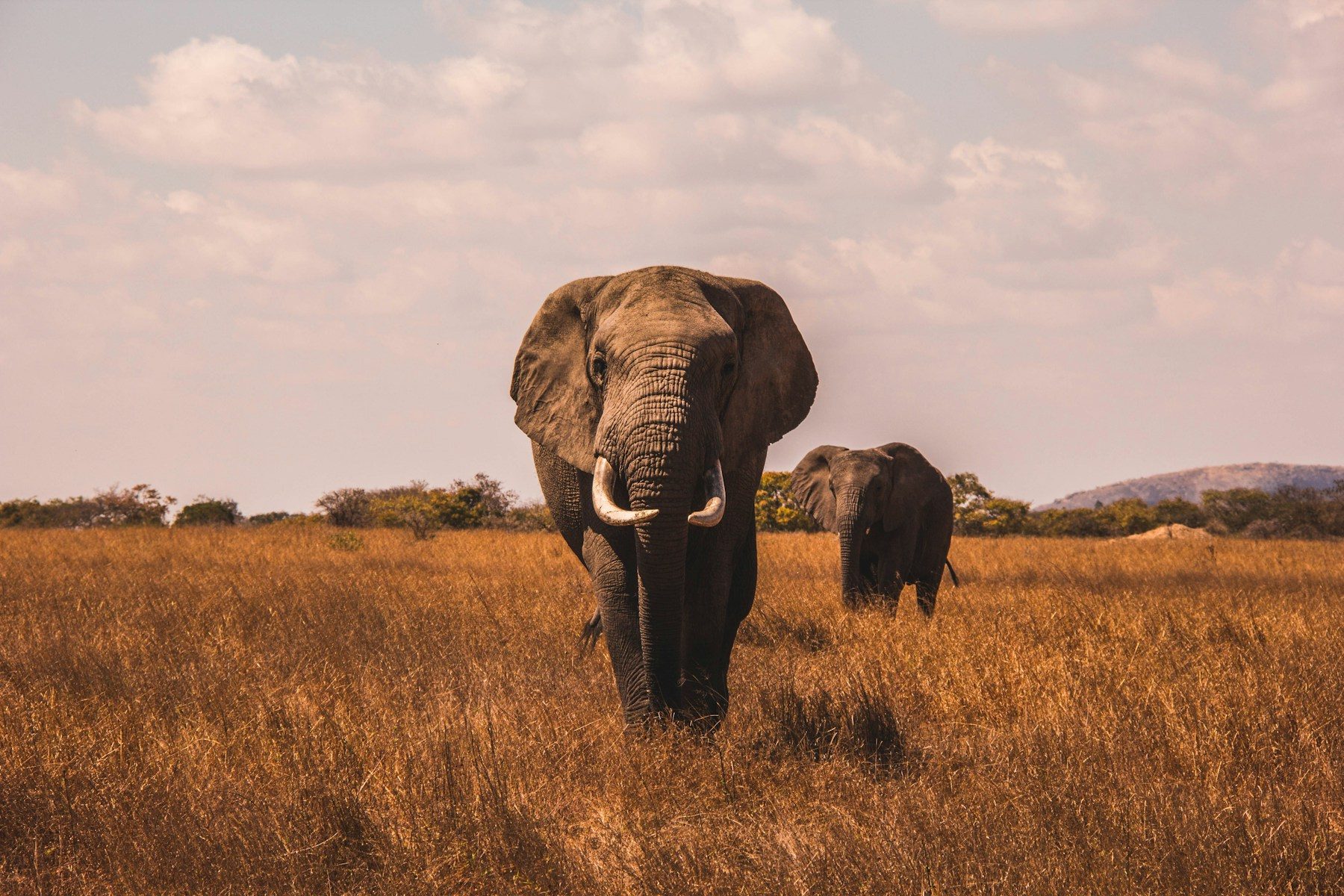
Breeding herds of two and three hundred animals gather along the river in the dry season, with calves of every age moving together.
Ancient Baobabs
Some of these trees are over a thousand years old. Elephants strip and hollow them for moisture, and many still stand.
Tree-Climbing Lions
Tarangire's lions are among the few populations in Africa that routinely lie up in trees, usually in the sausage trees along the river.
Exceptional Birding
Over 550 recorded species, including yellow-collared lovebirds and the enormous kori bustard out on open ground.
Silale Swamp
Permanent marshland in the south draws buffalo, elephant and the predators that follow them well into the dry months.
Easy To Combine
Close enough to Arusha to do as a first or last stop, a natural bookend to a Serengeti and crater itinerary.
Timing it right
WHEN TO COME
Tarangire is a dry-season park. Timing matters more here than anywhere.
July - October
Peak elephants
The river is the only water left and the herds concentrate on it. This is when Tarangire rivals the Serengeti.
June & November
Shoulder months
Still good viewing with far fewer vehicles, and the landscape has not yet turned completely brown.
December - May
Green and quiet
Animals disperse because water is everywhere. Superb birding, and the lowest rates of the year.
A look at it
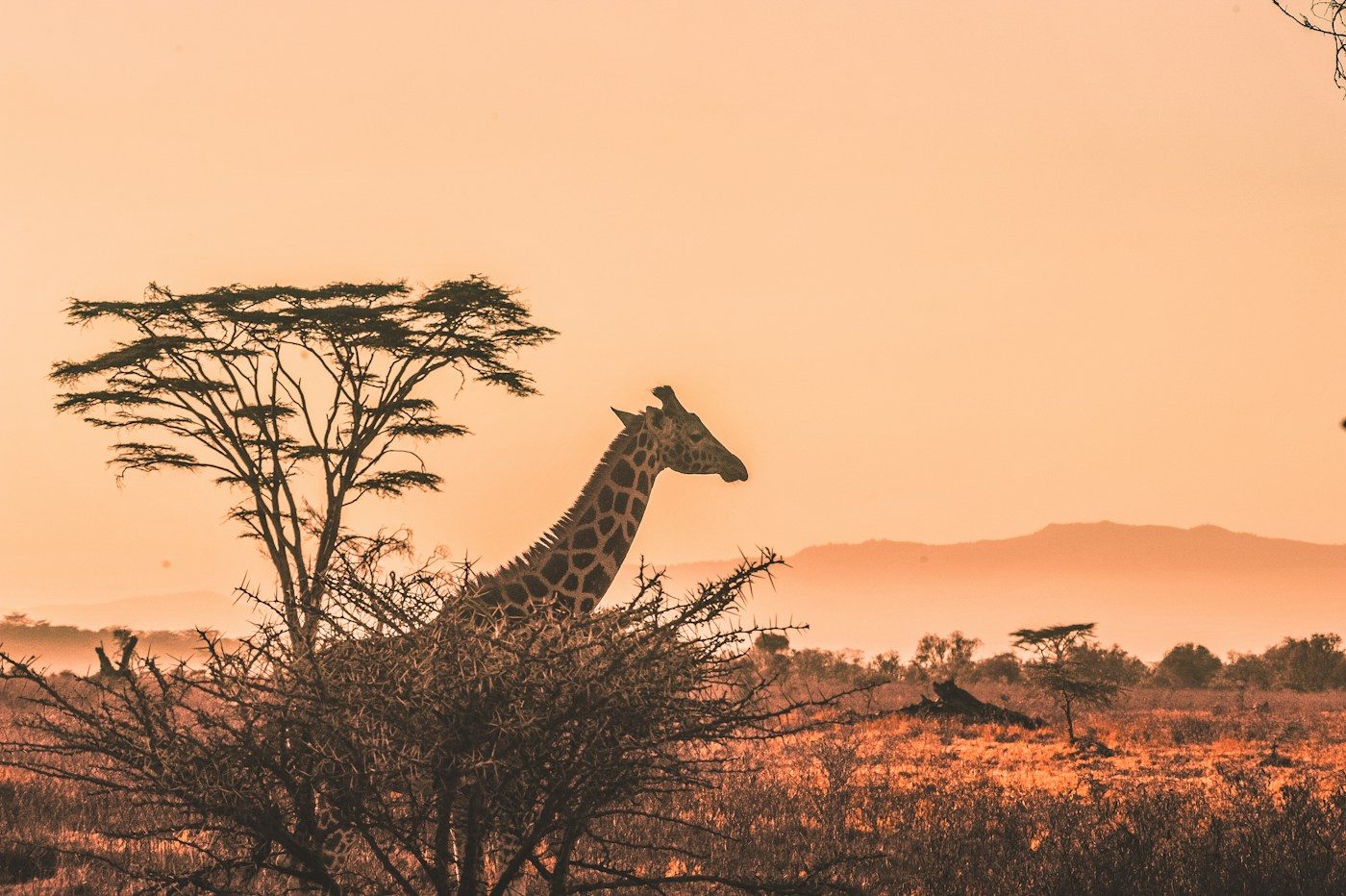
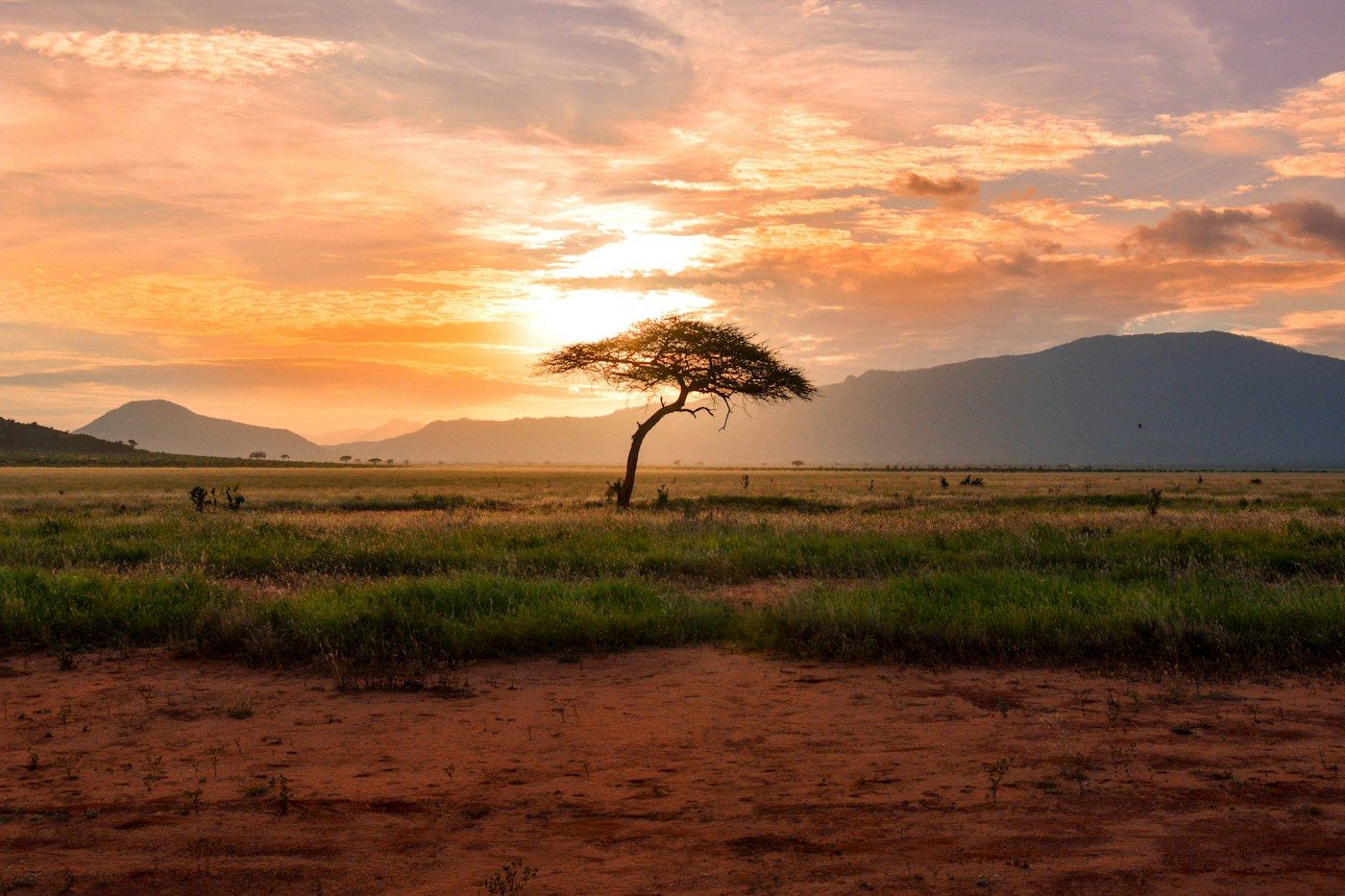
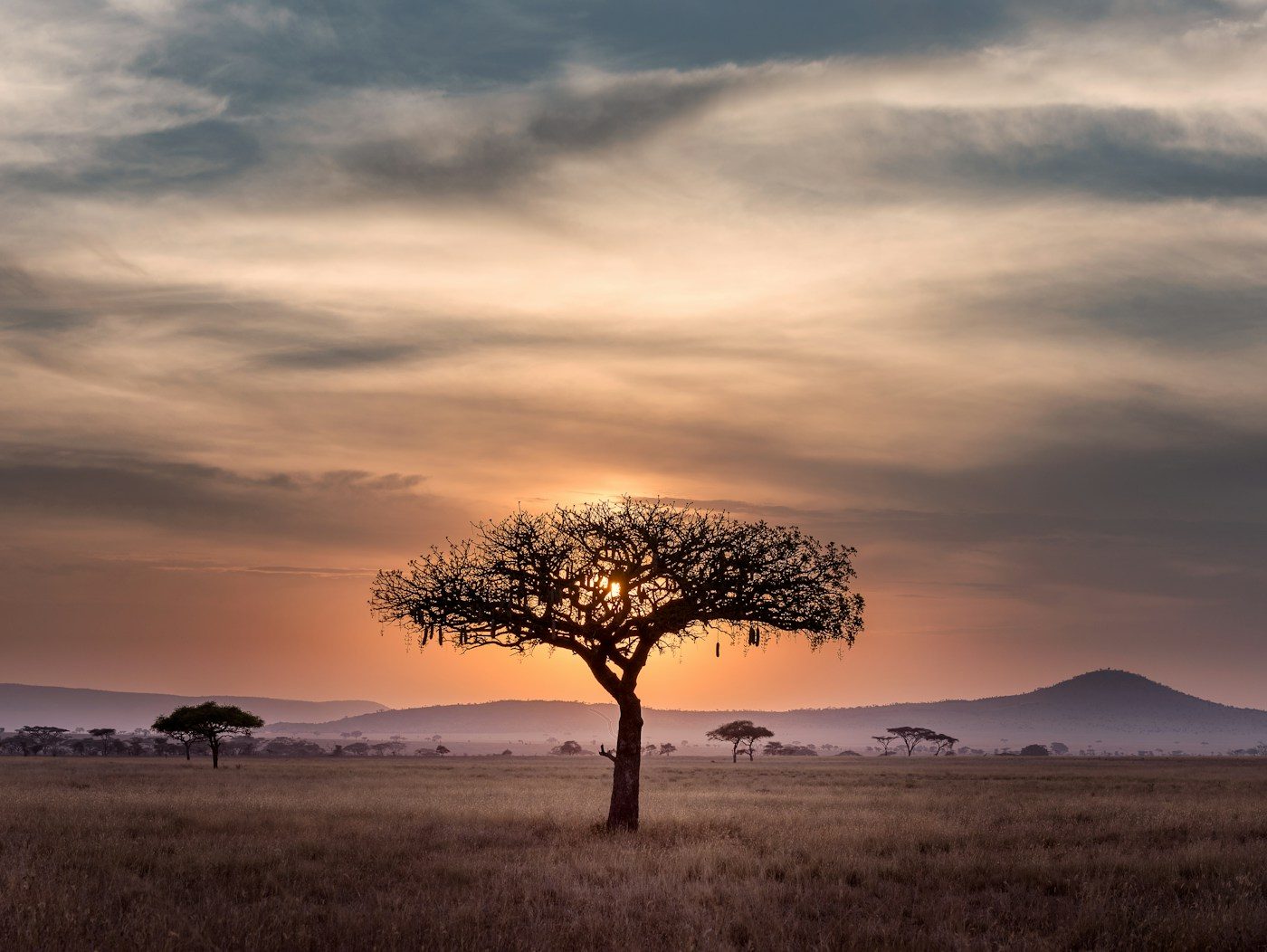
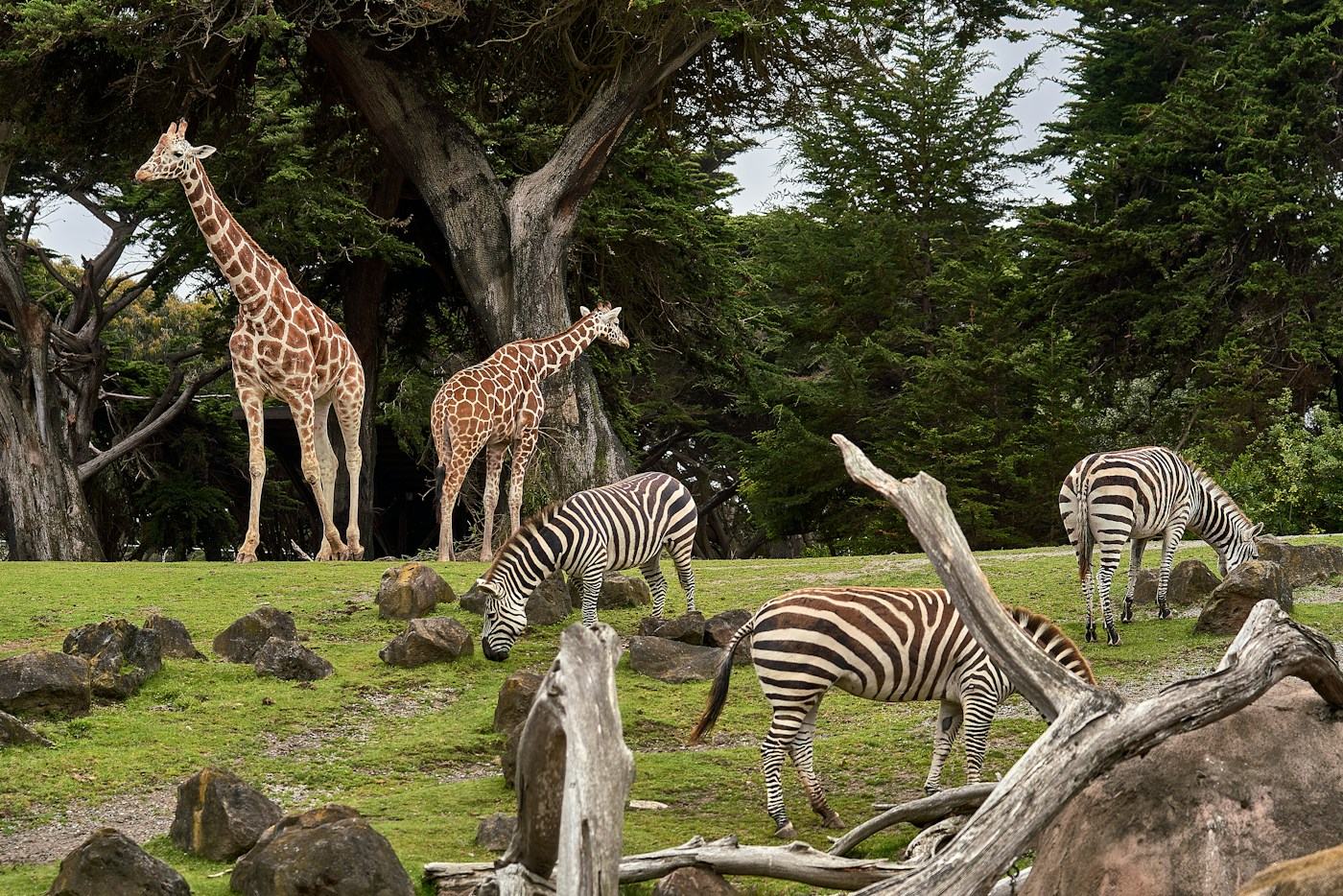
TARANGIRE IN PICTURES
No surprises
WHAT'S IN,
Included
- All national park and conservation area fees
- Private 4x4 Land Cruiser with pop-up roof
- Professional English-speaking guide and driver
- Full-board lodge or tented camp accommodation
- Unlimited bottled drinking water in the vehicle
- All transfers from Arusha or Kilimanjaro Airport
- Flying doctor emergency evacuation cover
Not included
- International flights and Tanzania visa
- Travel insurance
- Balloon safari and other optional activities
- Guide and camp staff tips
- Alcoholic drinks and personal items
- Anything not listed under Included
Before you ask
STRAIGHT ANSWERS
Will I get my own window seat?
Always. We cap every Land Cruiser below its seat count so nobody sits in the middle, and the pop-up roof means everyone can stand and shoot at once.
What is the best month for a safari?
June to October is the classic dry season. January to March is calving season on the Ndutu plains with extraordinary predator activity. April and May are green, quiet and much cheaper.
What kind of lodges will we stay in?
Three tiers: budget camps, mid-range lodges with pools, and luxury tented camps inside the parks. We quote all three so you can see the real difference before deciding.
Can children come on safari?
Yes. Ngorongoro and Tarangire involve shorter drives than the Serengeti, which makes them easier with young children.
Tarangire
READY WHEN
Send your dates and group size. We confirm availability and hold your place with a $200 deposit.