Home › Kilimanjaro
The Roof of Africa · 5,895m
SIX ROUTES.
Kilimanjaro is not a technical climb — it is a long walk at altitude, and the route you pick decides whether your body gets time to adjust. Here is how they differ, honestly.
- Private groups from 1 person
Tanzanian-Owned Operator
Fair Porter Treatment
Based In Arusha & Moshi
Book Direct, No Middlemen
Compare honestly
WHICH ROUTE IS
The single biggest predictor of summiting is how many nights you spend acclimatising. Everything else comes second.
|
Route
|
Duration
|
Summit rate
|
Difficulty
|
From
|
|---|
Every route in detail
PICK YOUR
- 7 or 8 days
- Challenging
Machame Route
The Whiskey Route. Steeper, more dramatic, and the one most people picture. Choose 7 or 8 days.
$2,250
per person
- 8 days
- Moderate
Lemosho Route
Eight days from the west across the Shira Plateau. The best acclimatisation profile we run.
On request
Tailor-made quote
- 7 days
- Moderate
Rongai Route
The only approach from the north. Driest trail and genuine wilderness.
On request
Tailor-made quote
- 6 days
- Moderate
Marangu Route
The Coca-Cola Route, and the only one with real huts and beds.
On request
Tailor-made quote
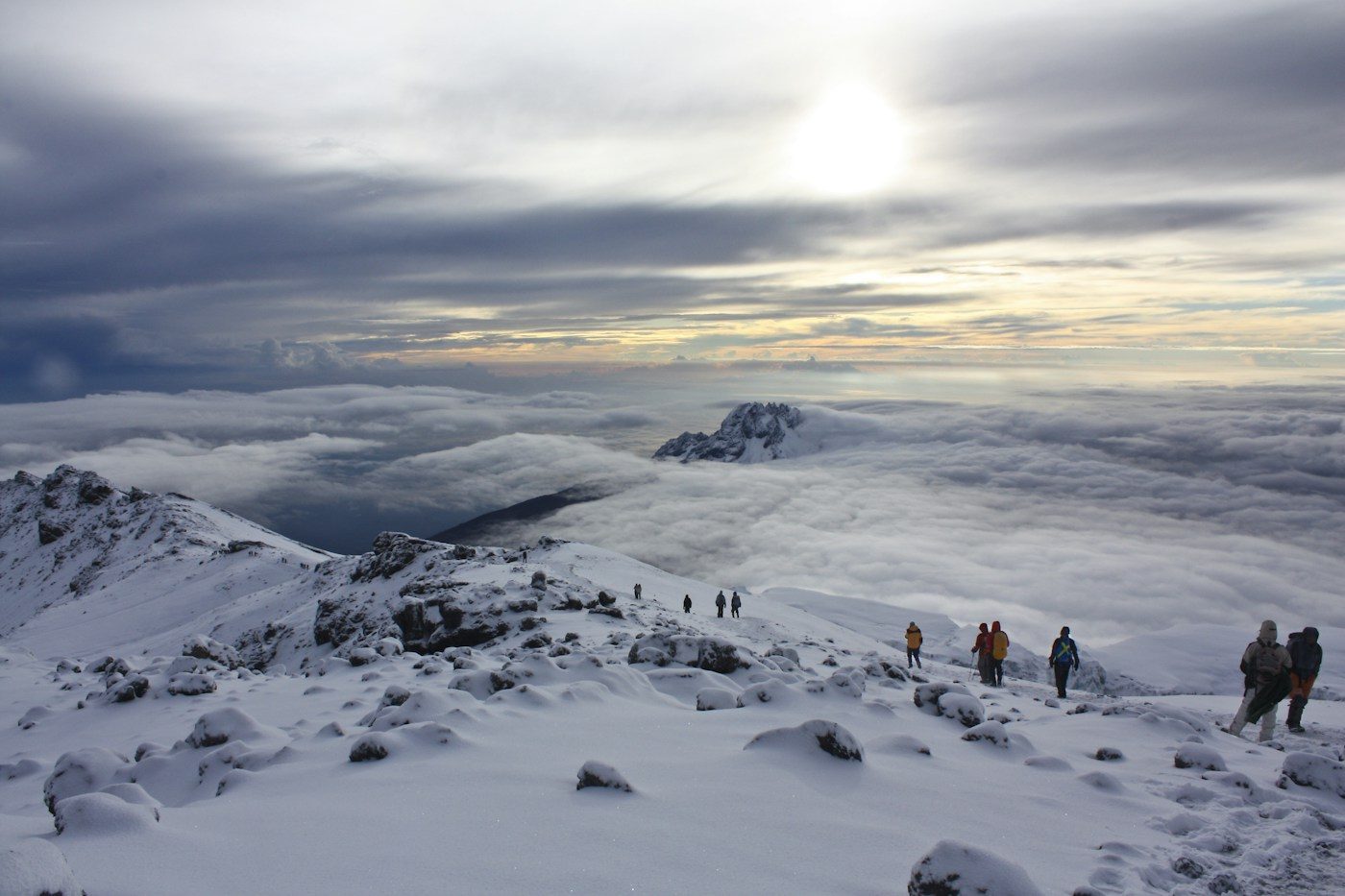
Why longer works
AN EXTRA NIGHT IS WORTH
Above 3,000m your body has to make more red blood cells to carry the same oxygen. That takes time, and no amount of fitness substitutes for it.
Our 8-day profiles add a night at Karanga Camp, which puts a full extra sleep between you and summit night. It moves the success rate from 92% to 98%.
- Climb high, sleep low — built into every itinerary
- Twice-daily pulse-oximeter and lung checks
- Guides trained to turn a group around early, not late
No surprises
WHAT'S IN,
Included
- All park gate, camping and rescue fees
- WFR-certified lead guide, assistant guides, cook and porters
- Three hot meals a day, cooked fresh at camp
- Four-season tents, sleeping mat and heated dining tent
- Twice-daily pulse-oximeter checks and emergency oxygen
- Airport transfers plus two nights' hotel in Arusha
- Filtered drinking water and a summit certificate
Not included
- International flights and Tanzania visa
- Travel and high-altitude medical insurance
- Personal trekking gear — rentals from $10 in Moshi
- Crew tips, budgeted together at your briefing
- Drinks, snacks and souvenirs
- Anything not listed under Included
Before you ask
STRAIGHT ANSWERS
How cold does it get on summit night?
Expect −10°C to −20°C at Uhuru Peak with wind chill. A −10°C-rated down jacket, thermal base layers, warm gloves and a balaclava are not optional. All of it can be hired in Moshi.
What is the food like on the mountain?
Three cooked meals a day prepared fresh at camp by our own cook. Vegetarian, vegan, halal and gluten-free are all straightforward — tell us when you book.
How heavy is my daypack?
Porters carry your main duffel, capped at 15kg. You carry a 25–30L daypack with water, snacks, a rain shell, a warm layer and a camera — usually 5–7kg.
Will there be phone signal and charging?
Signal is patchy but present on most of the mountain. There is no mains power, so bring a power bank and sleep with it in your sleeping bag — cold drains batteries fast.
Ready when you are
LET'S GET YOU
Send us your dates and we will tell you honestly which route fits your fitness, your budget and your window.